
AI & Innovation
At our school, artificial intelligence is a guided thinking partner, not an answer machine. Through age-appropriate, teacher-led experiences, students learn to question, verify, and think critically, building AI literacy alongside enduring skills in problem-solving and judgment.
FLINT AI LEARNING PLATFORM
Richland has chosen Flint as our AI learning platform. We don't rely on vendor claims. Every tool goes through our own review process. We test it with teachers first. We check it against IB and Ontario curriculum goals. This process draws on educational research, professional learning networks, and emerging board guidance. Flint stood out for its education-focused design. It can be guided by teachers. It fits naturally within classroom instruction. It's not an open, unrestricted AI tool, but a limited, teacher-directed support for brainstorming and questioning.

OUR APPROACH TO AI
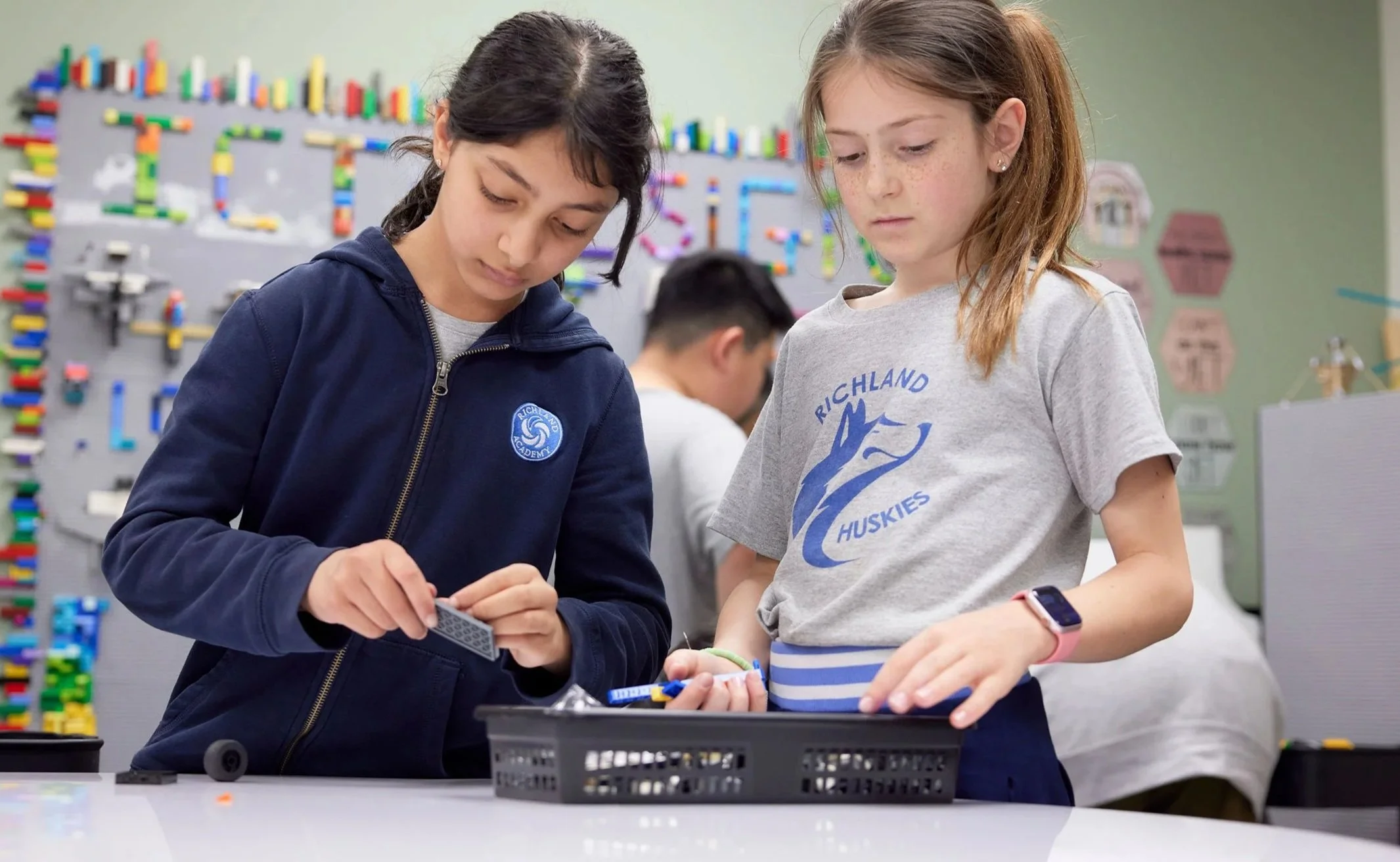
Learning is human. It grows through listening, dialogue, and hands-on work. Passive consumption doesn't lead to deep understanding, but active participation does. That's why we value slow learning. It gives students room to explore complexity and see how ideas connect. We respect technology's role, but we approach it carefully. We build age-appropriate skills first, then introduce AI alongside them, as a tool that supports thinking rather than replacing it.
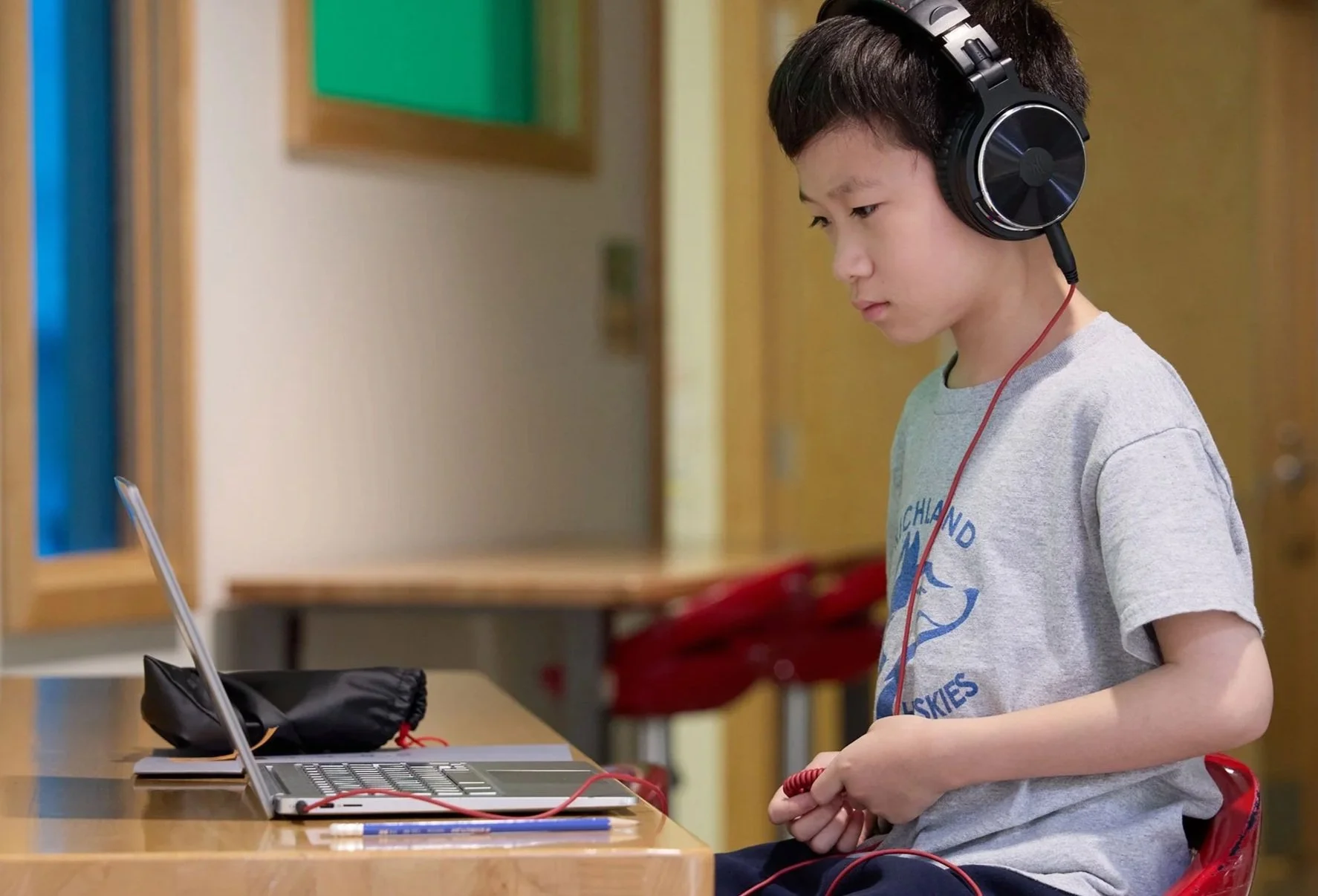
Empowering students to imagine, create, and innovate with technology as a tool.
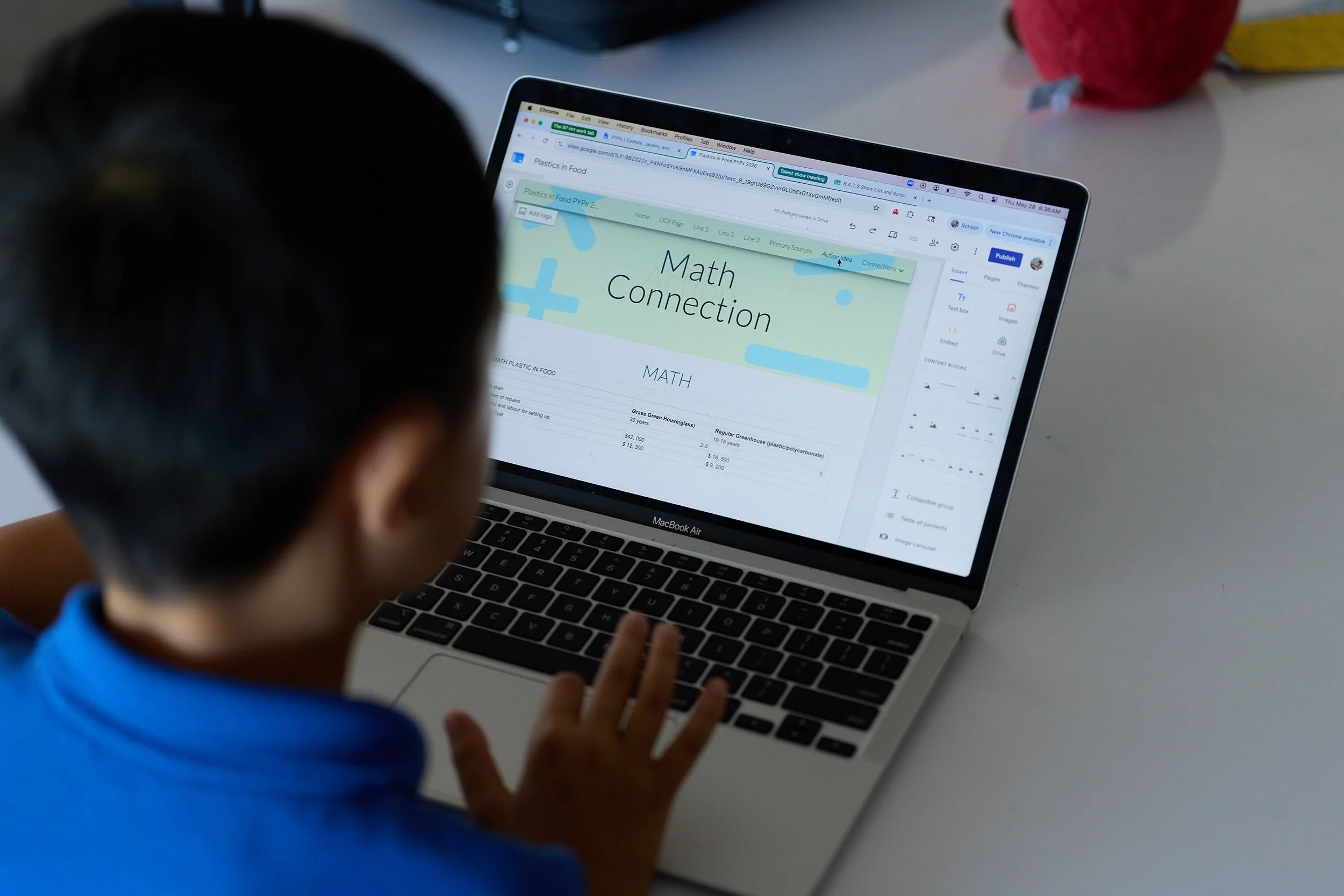
AI SKILL BUILDING
Here's how skill-building and AI use look across grade levels:
Grades 1-3: Students build thinking skills through listening, dialogue, and hands-on exploration. No direct AI use, just digital citizenship and media literacy.
Grades 4-6: Guided introduction to what AI is and how it works, while inquiry-based learning builds curiosity and conceptual understanding.
Grades 7-10: Scaffolded AI use with an emphasis on evaluation and ethics. Students continue sharpening their ATL skills and deepening their thinking through interdisciplinary learning.
Grades 11-12: Independent, purposeful AI use is woven into research, creative work, and problem-solving.
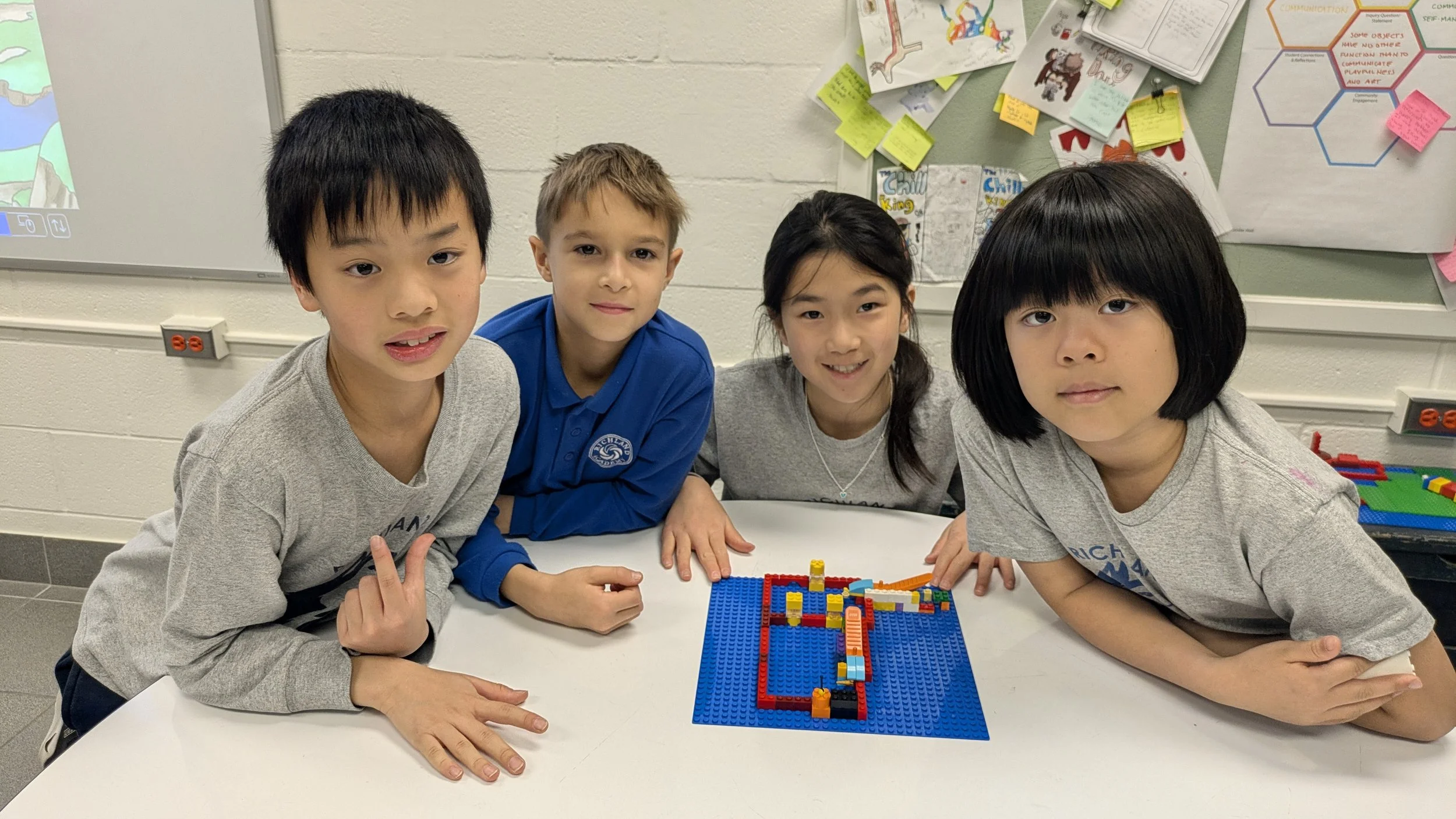
A RANGE OF HANDS-ON TOOLS
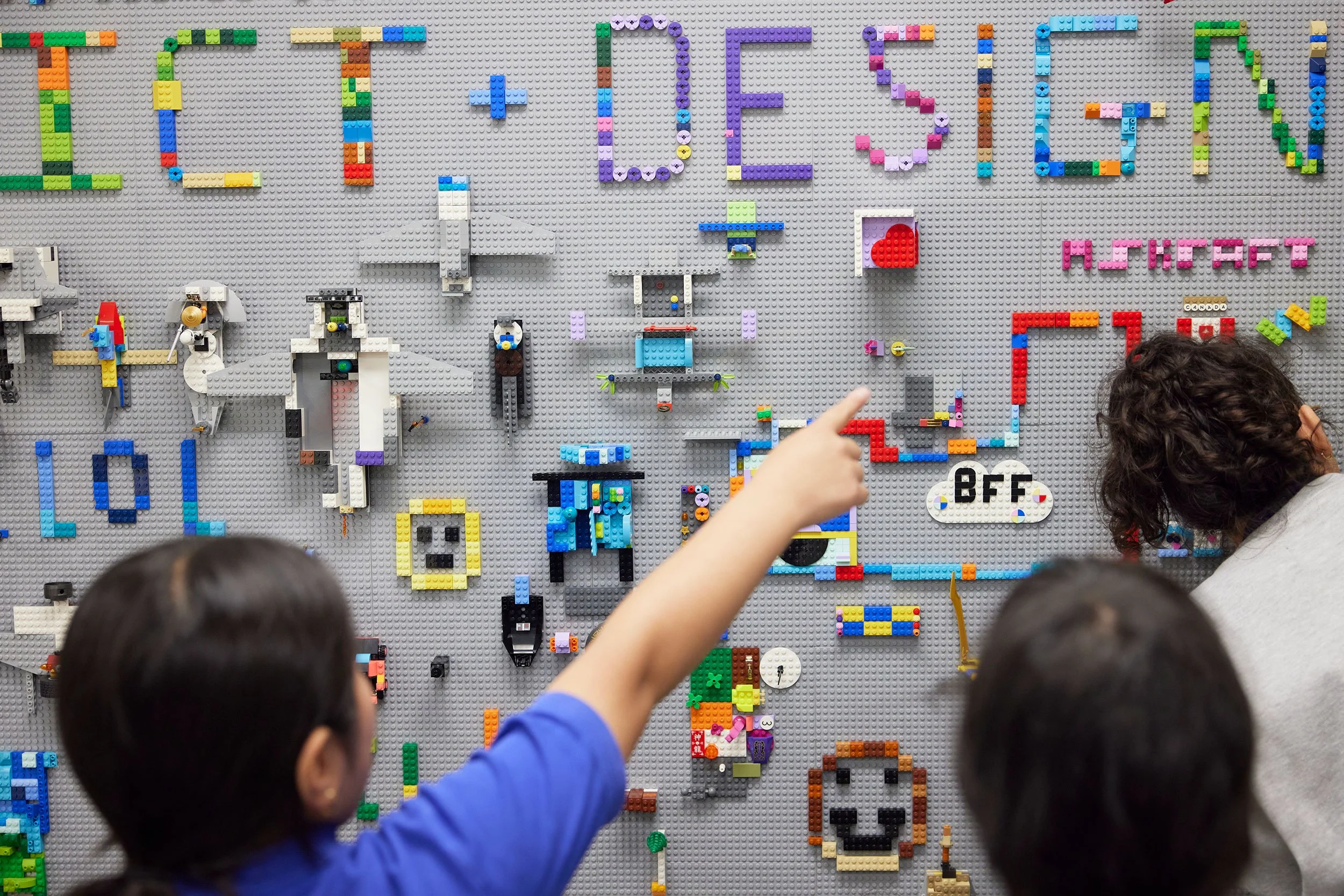
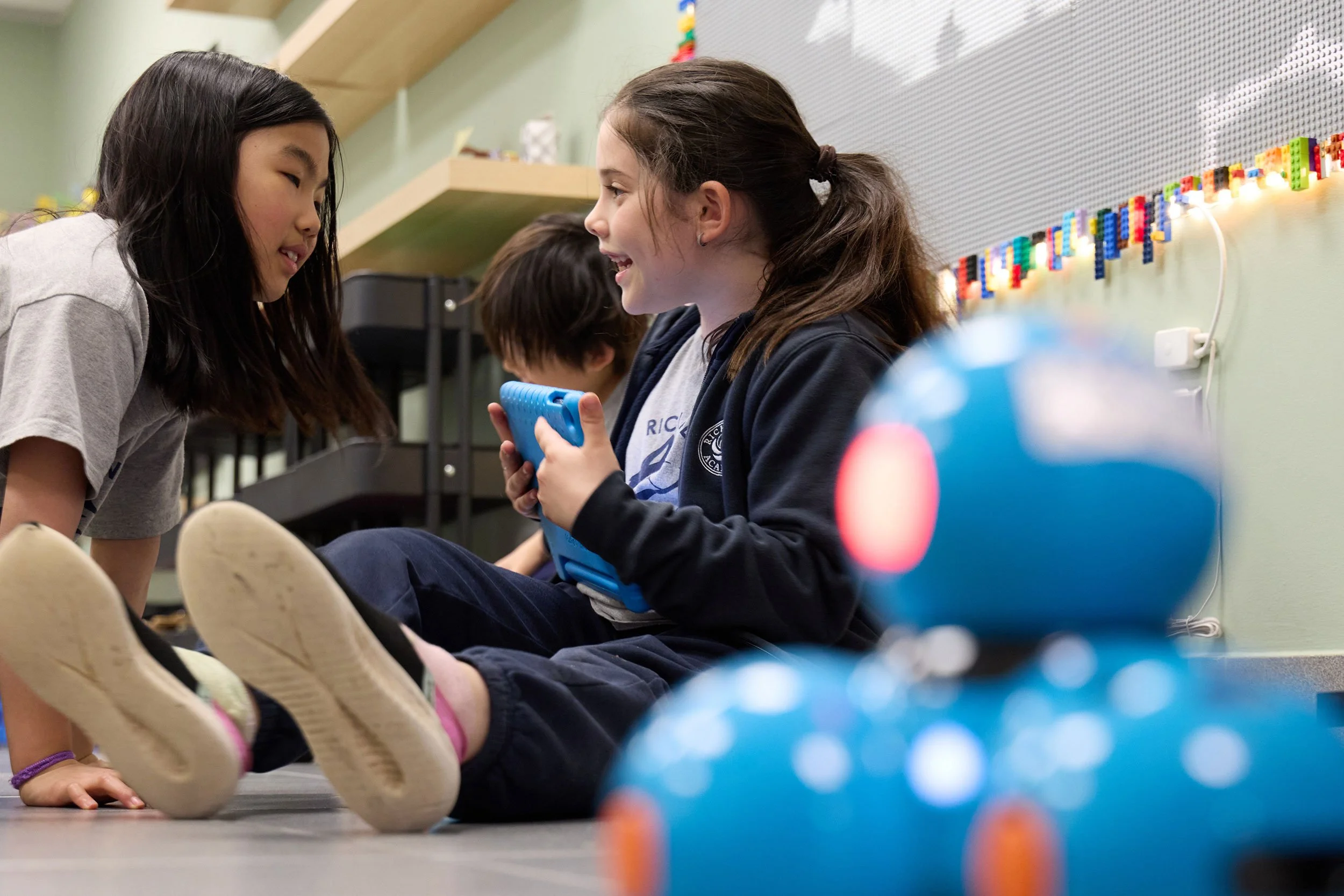
Students are exposed to a range of hands-on tools that build creativity. In Design class, they turn ideas into reality using 3D printers, laser cutters, and sewing machines. They also learn coding, create stop-motion animations and short films, and build with LEGO robotics.