Educational Philosophy
We believe learning is most meaningful when students ask questions, explore ideas, and make connections. Through a student-centred approach, we nurture confident, compassionate learners prepared to navigate the future with resilience and purpose.
OUR EDUCATIONAL FOUNDATION
Richland Academy’s educational philosophy is shaped by the Reggio Emilia approach and guided by the International Baccalaureate (IB) framework.
These foundations support our commitment to developing the whole child, recognizing each student’s unique strengths, perspectives, and potential. By fostering independence, reflection, and a lifelong love of learning, we create an environment where students are supported in becoming thoughtful, engaged learners.
“The wider the range of possibilities we offer children, the more intense will be their motivations and the richer their experiences.”
LORIS MALAGUZZI, FOUNDER
REGGIO EMILIA’S EDUCATIONAL PHILOSOPHY
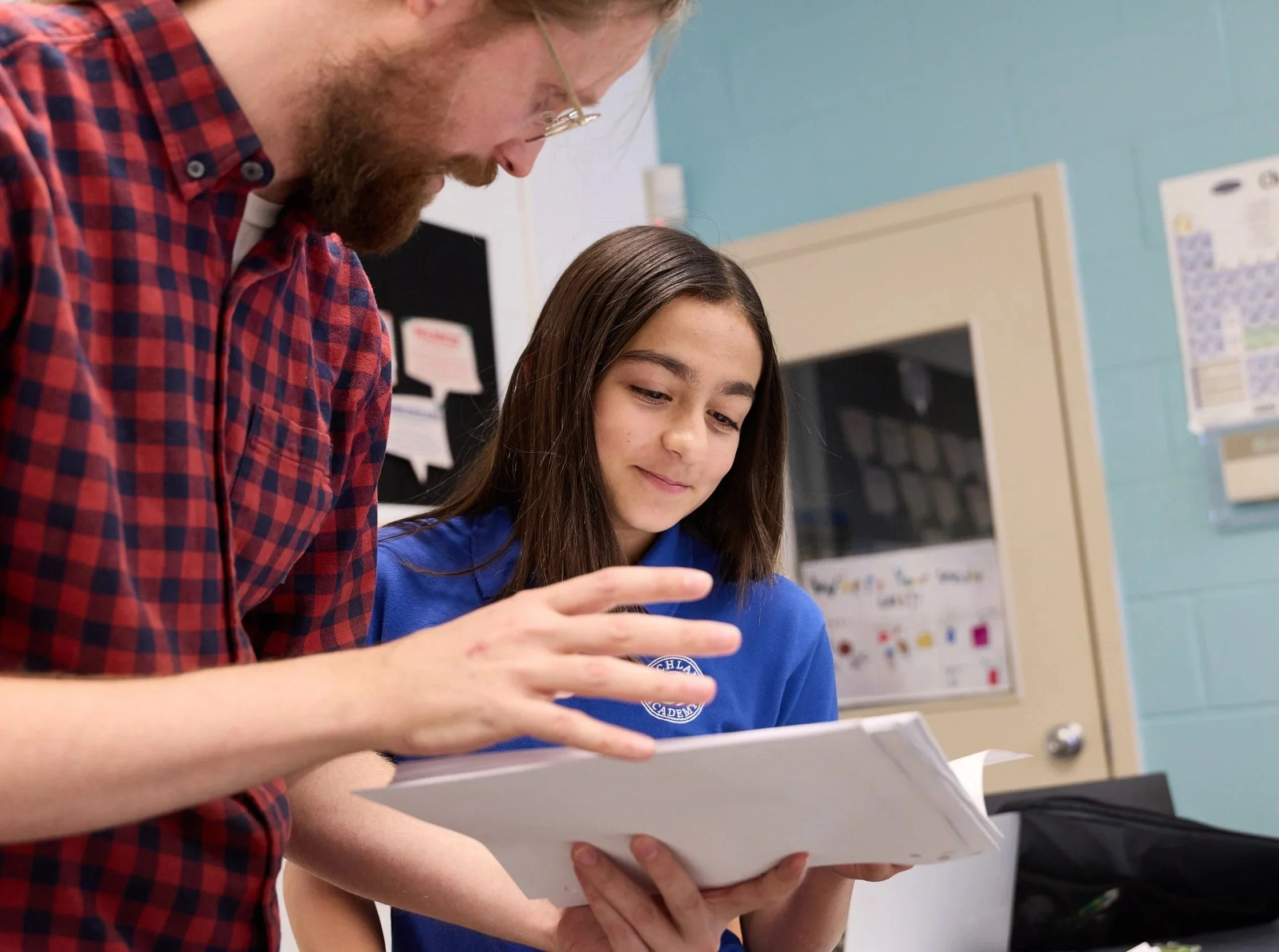
LEARNING IN ACTION
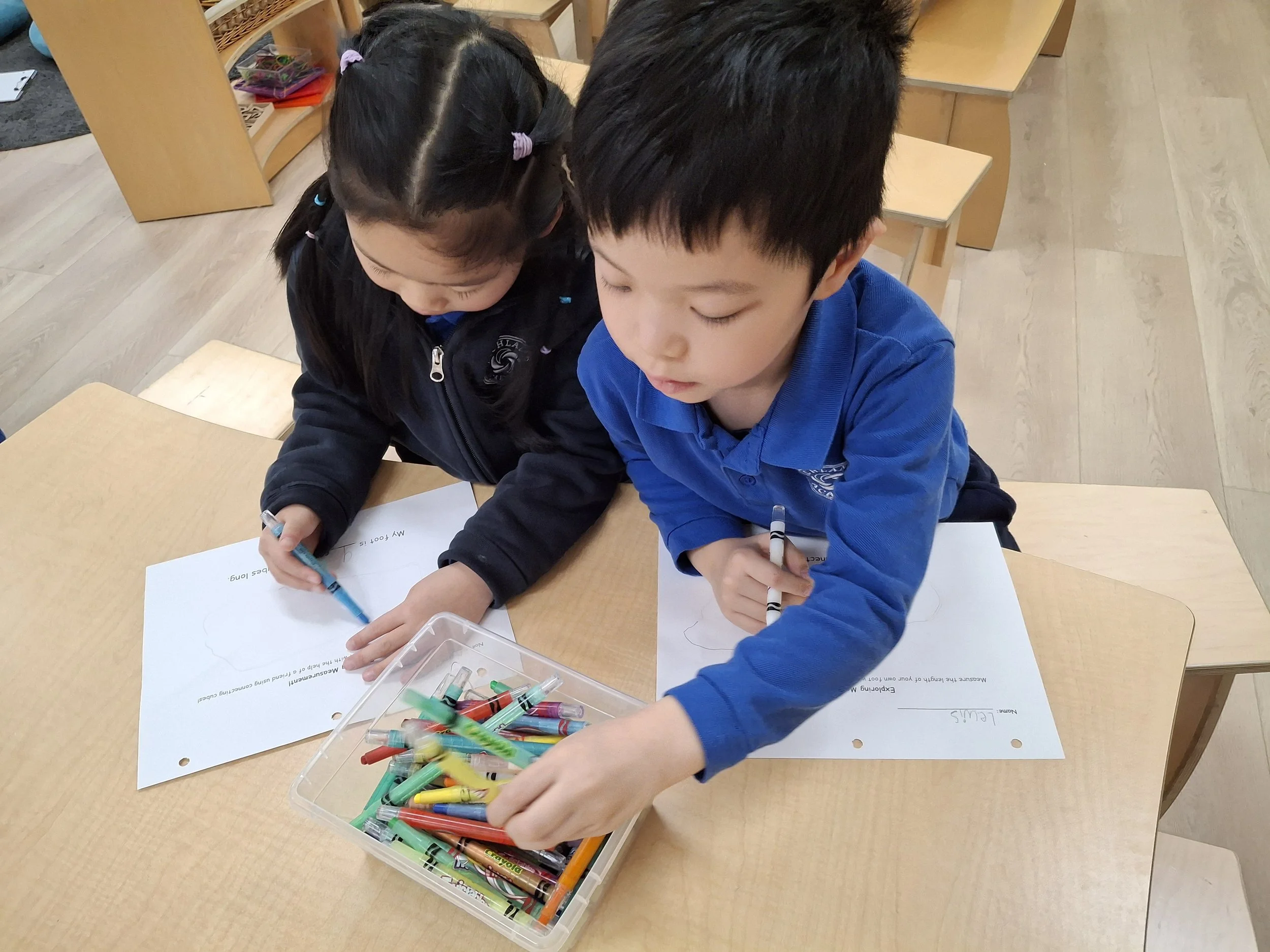
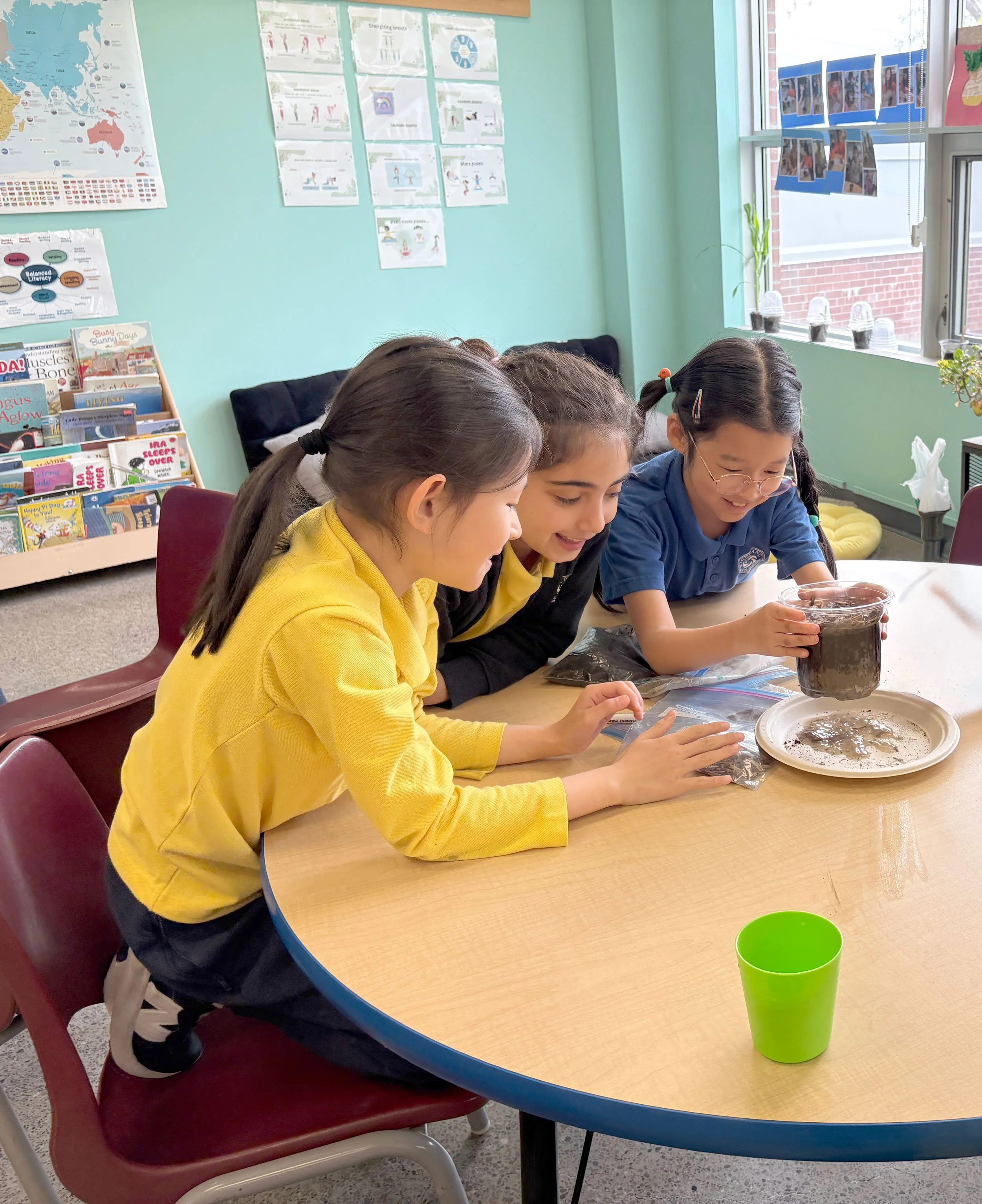
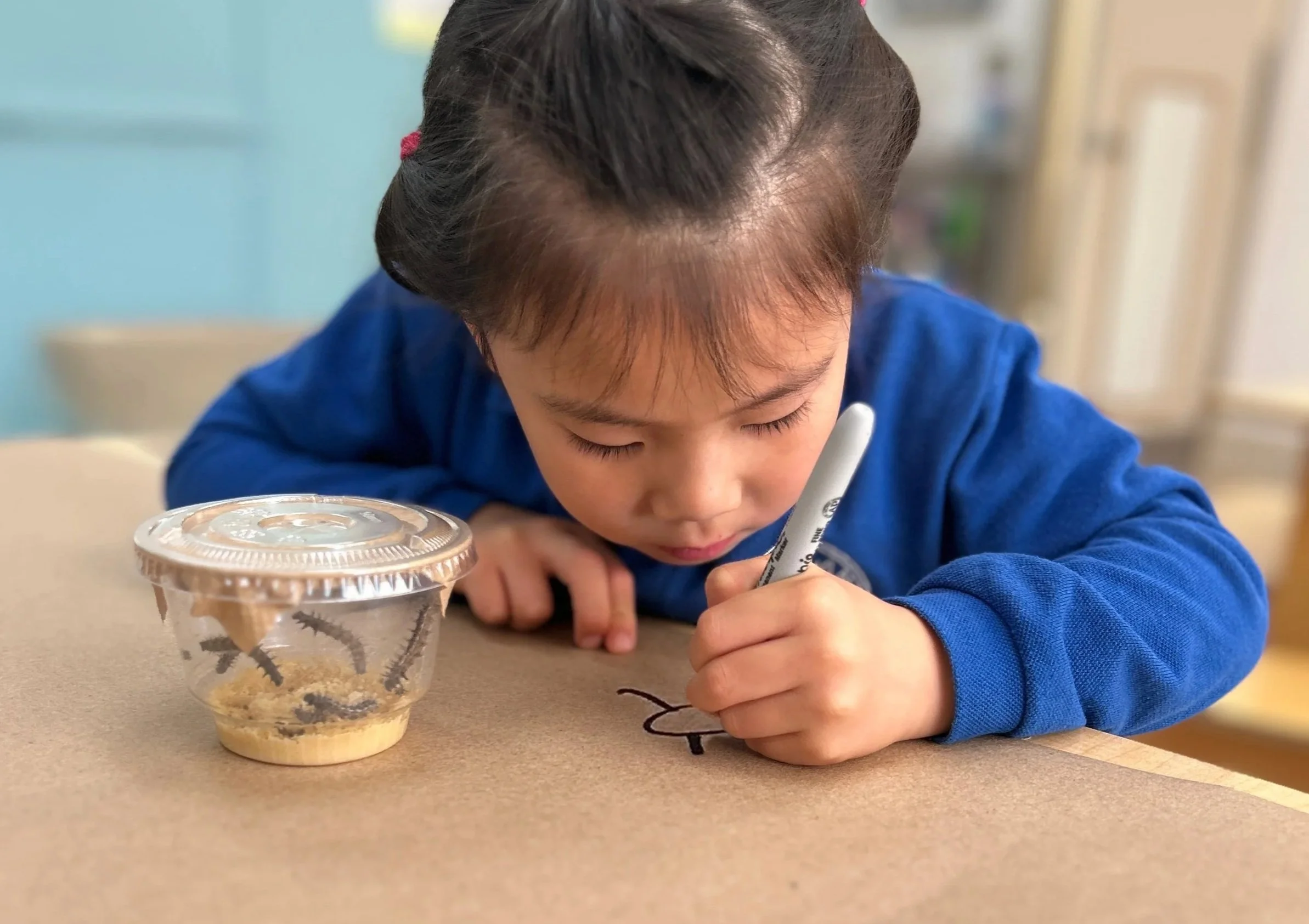
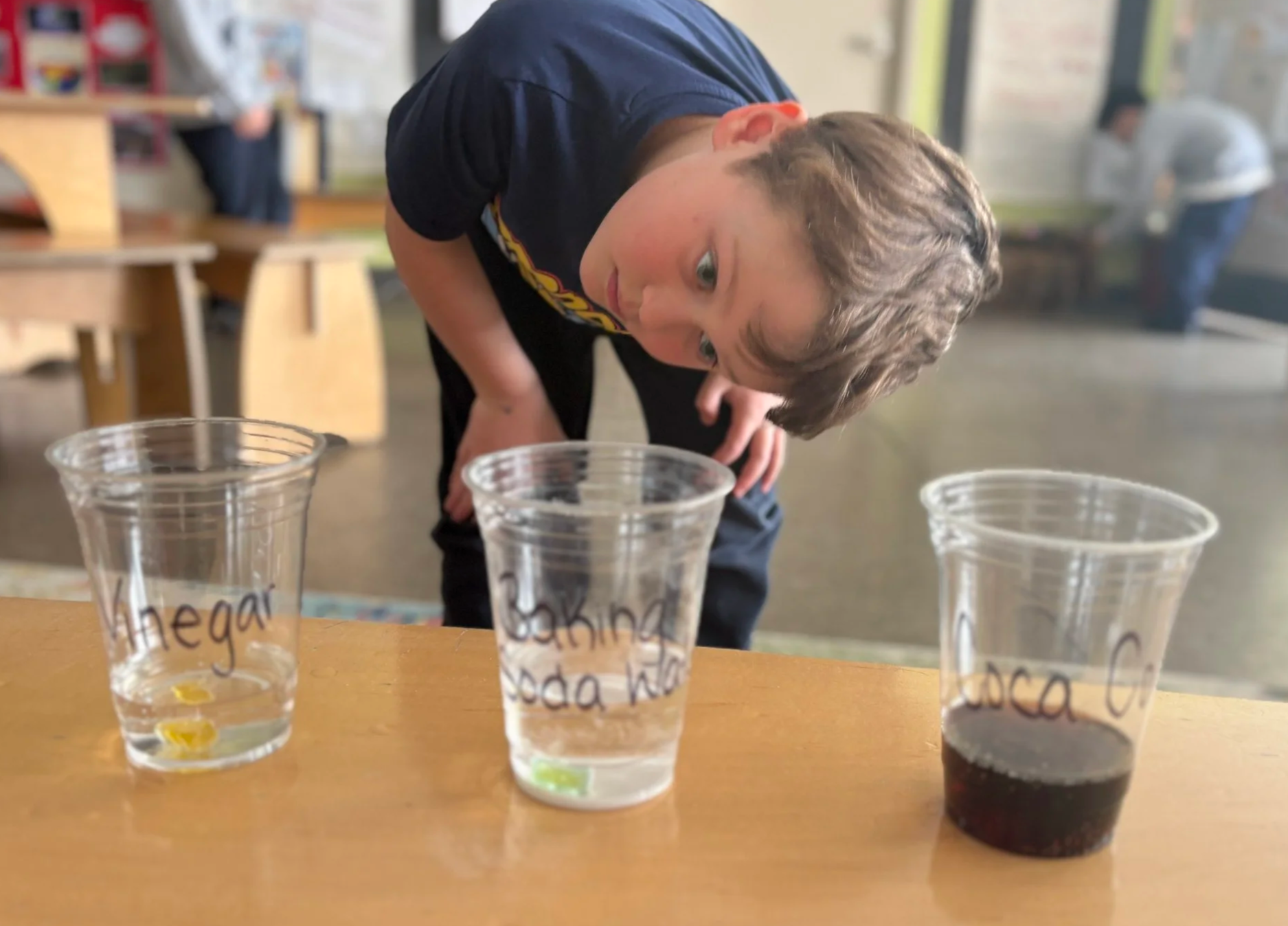
At Richland Academy, students ask questions, test ideas, build with their hands, and make their thinking visible for others to see and build on. Every project becomes a chance to act, reflect, and adjust, so that learning feels real, memorable, and ready to carry into the world beyond classroom walls.
WHAT DOES IT LOOK LIKE?
Inquiry-led classrooms where student questions drive discovery
Environments designed as a "third teacher," inviting curiosity
Documentation and portfolios that make growth visible over time
Action woven through the entire IB continuum. From the PYP Exhibition, to the MYP Community Project, students are consistently asked to act on their learning and reflect on its impact.