Primary Years Programme (PYP)
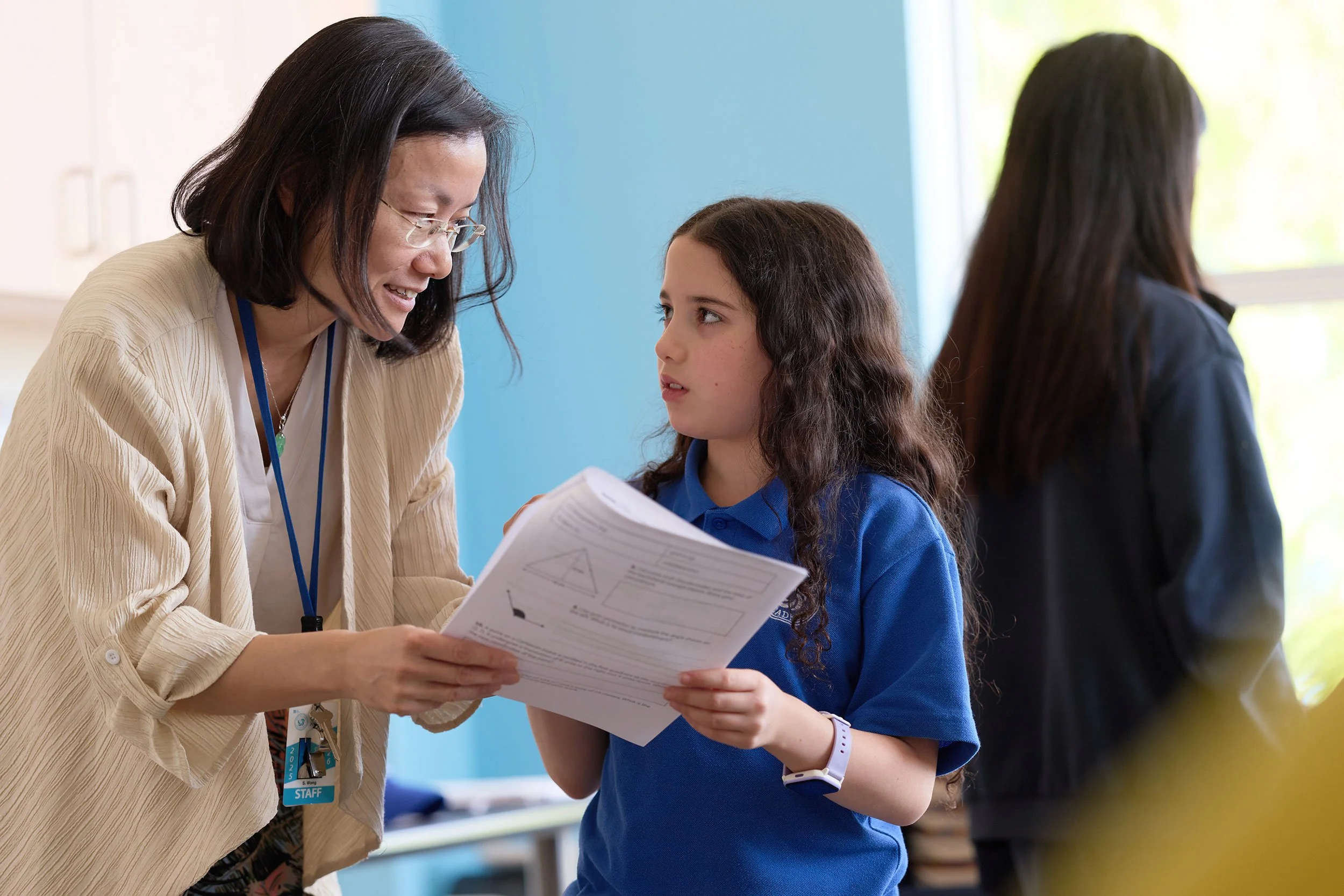
Rather than focusing on memorizing information, the PYP inspires students to ask questions, investigate ideas, and connect their learning across subjects. Through inquiry and exploration, students develop a deeper understanding of concepts and their relevance in the world.
“We chose Richland Academy for its warm, personalized environment. Caring teachers nurture confidence, while a strong balance of academics, arts, and social development helps our daughters thrive and feel excited about learning every day.”
WINNIE MIAO
TRANSDISCIPLINARY LEARNING
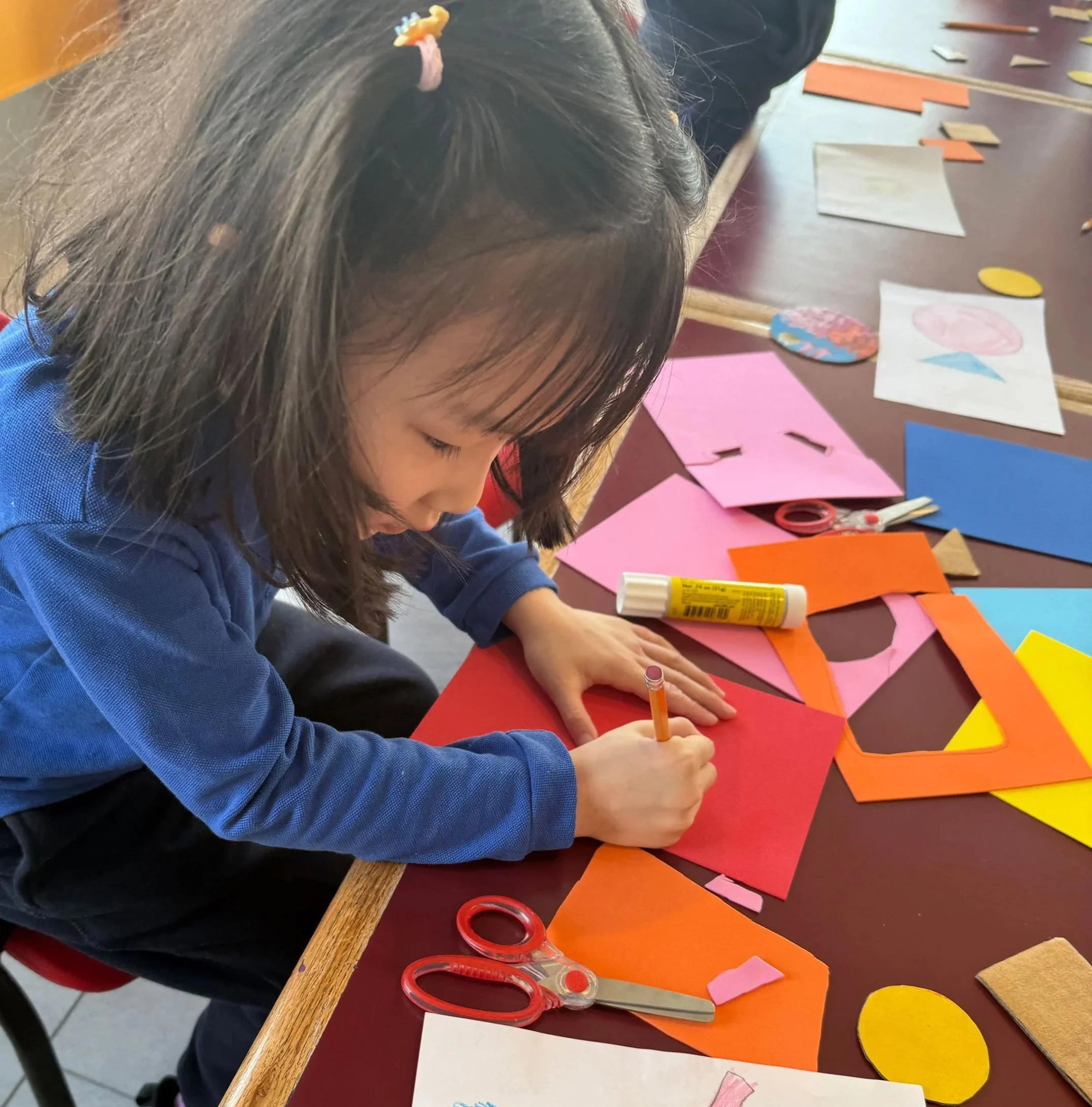
Learning is intentionally connected across language, mathematics, science, social studies, the arts, and physical education.
By exploring topics from multiple perspectives, students build stronger conceptual understanding and recognize how learning is relevant beyond the classroom.
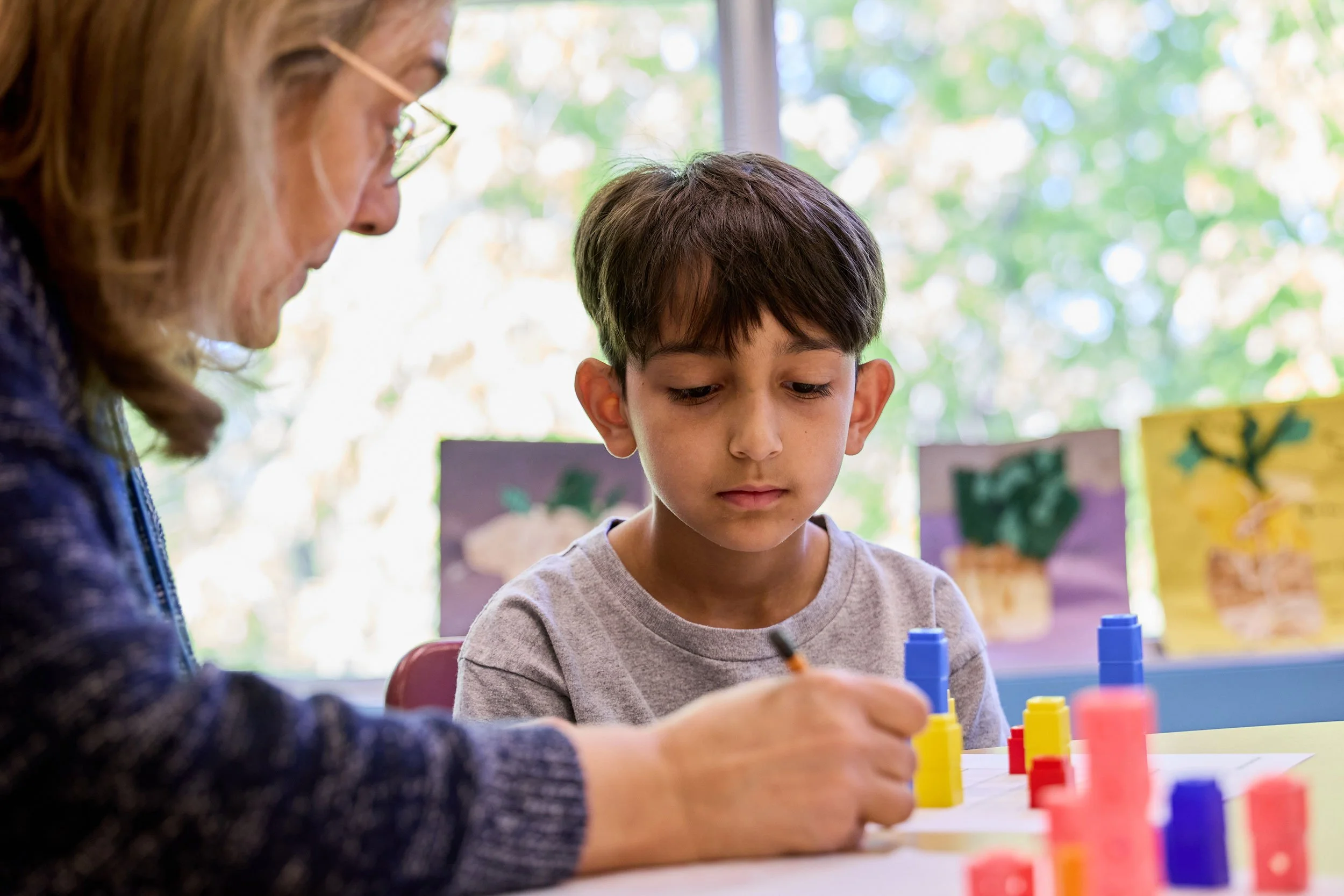
The PYP is organized around six transdisciplinary themes that explore ideas and issues of global significance.
SIX TRANSDISCIPLINARY THEMES
Who we are
An inquiry into identity as individuals and as part of a collective.How we express ourselves
An inquiry into the diversity of voice, perspectives, and expressionWhere we are in place and time
An inquiry into histories and orientation in place, space and time.How the world works
An inquiry into understandings of the world and phenomena.How we organize ourselves
An inquiry into systems, structures and networks.Sharing the planet
An inquiry into the interdependence of human and natural worlds.
TRANSDISCIPLINARY LEARNING IN PRACTICE
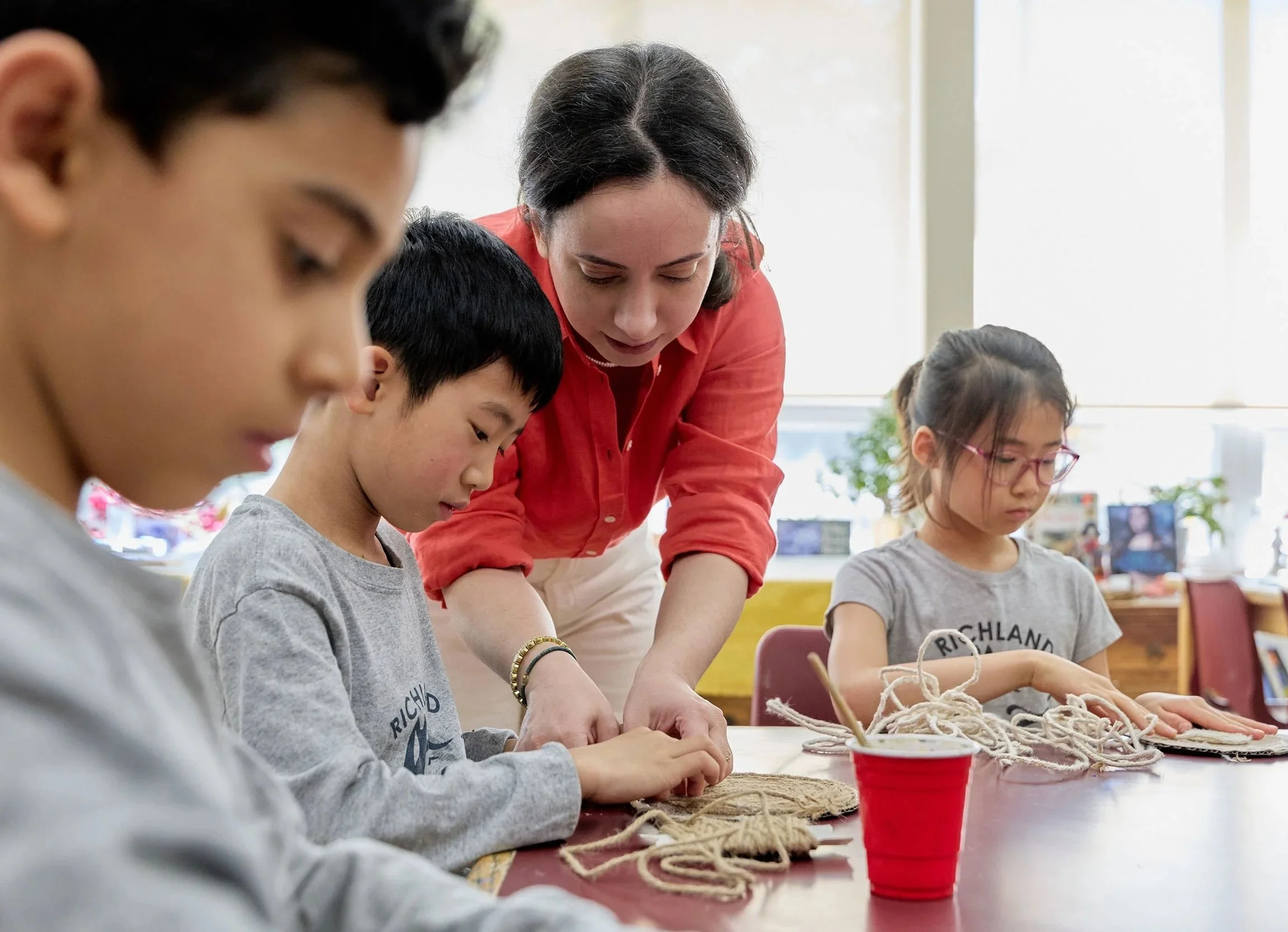
Under the central idea, “Patterns and cycles help us understand the world around us,”
Our Grade 2 students explored:
Patterns in math,
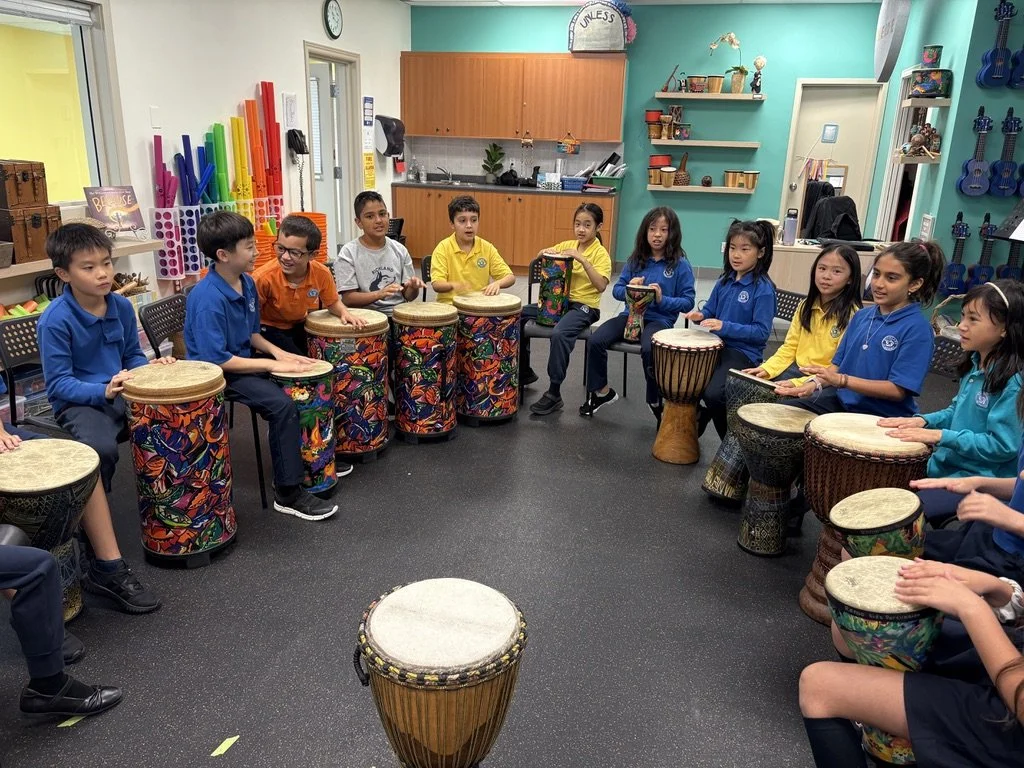
Rhythm in music and dance,
Poetic structure in language,
Nature-inspired designs in visual art,
Seasonal and life cycles in science,
And community traditions in social studies.
By the end, students saw that patterns aren’t just a math concept — they’re a lens for understanding the whole world.
Real life doesn’t come organized into subjects, neither does learning.