Reggio-Inspired Learning
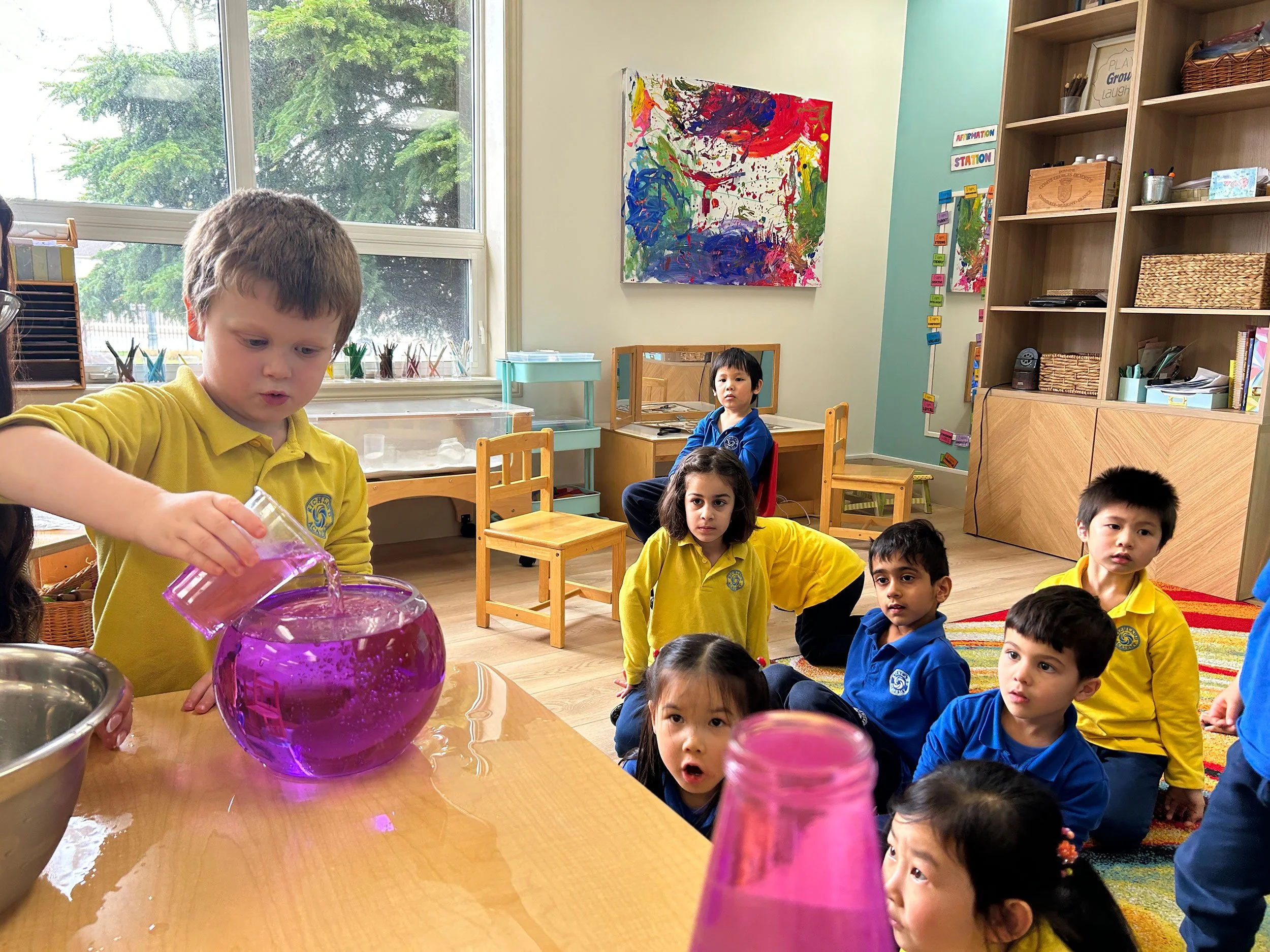
At Richland Academy, we bring together two powerful philosophies of learning, Reggio Emilia and the IB, to nurture curious, capable learners who ask great questions and make sense of the world around them.
BEING REGGIO-INSPIRED
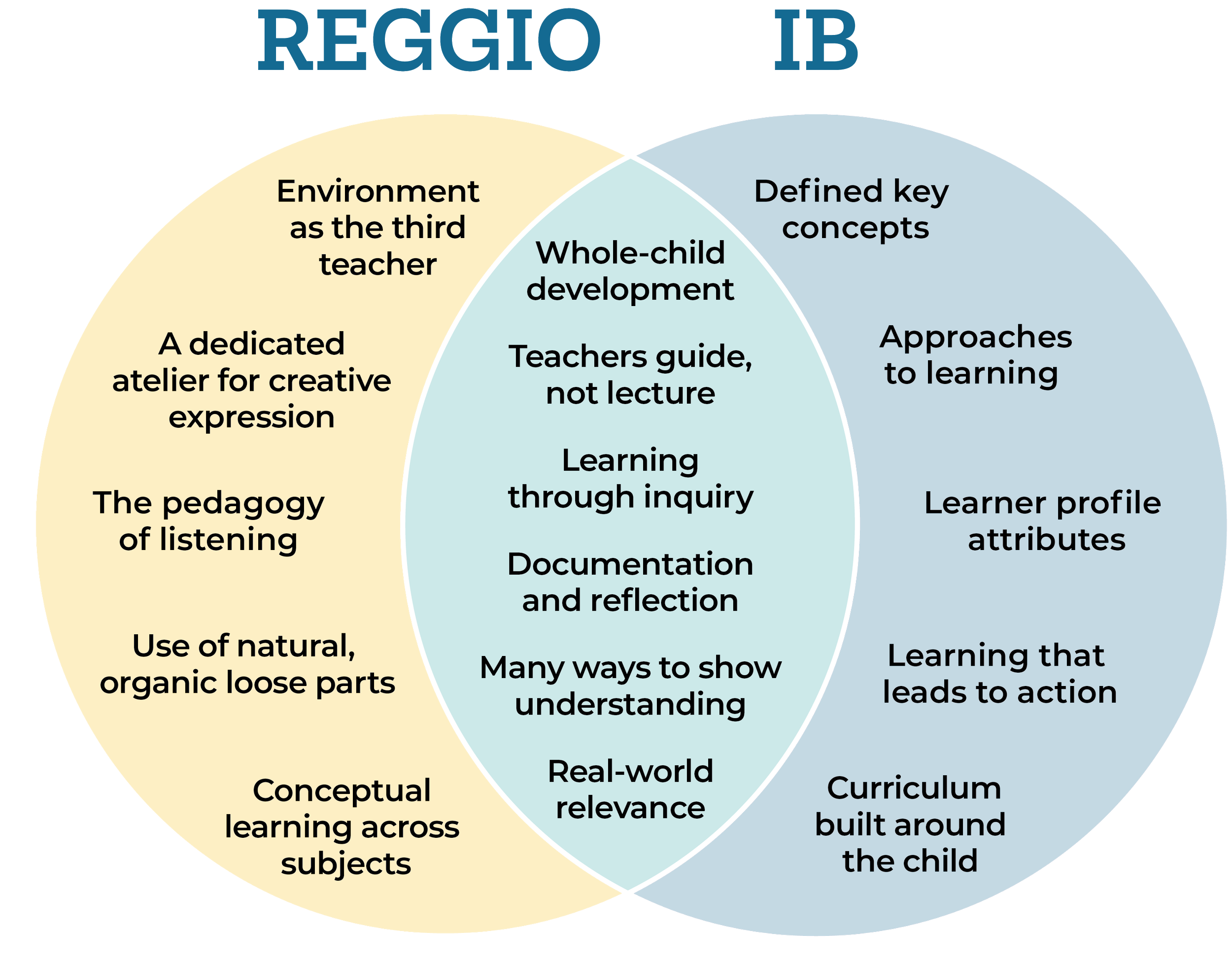
Being a Reggio-inspired IB school means every classroom at Richland Academy blends structure with wonder. We follow the IB's framework for what students learn, while drawing on Reggio's belief that children are capable, creative thinkers who deserve a real voice in how they learn it.
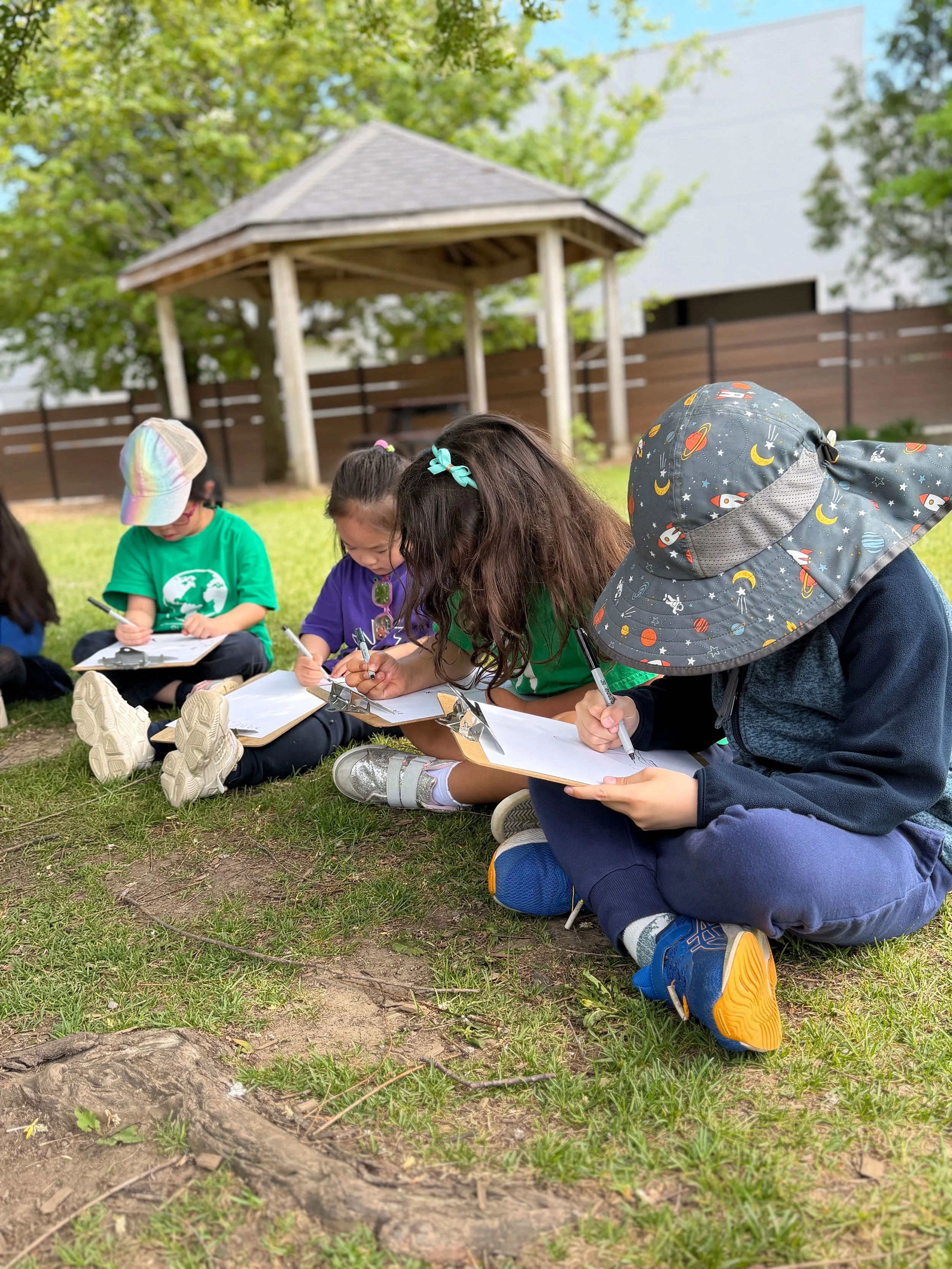
Our teachers intentionally design environments and learning experiences that invite exploration. Children showcase their thinking through art, story, and hands-on work as much as through words.
The result is a classroom where global learning goals meet each child's own questions. Here's how the two come together:
100 LANGUAGES
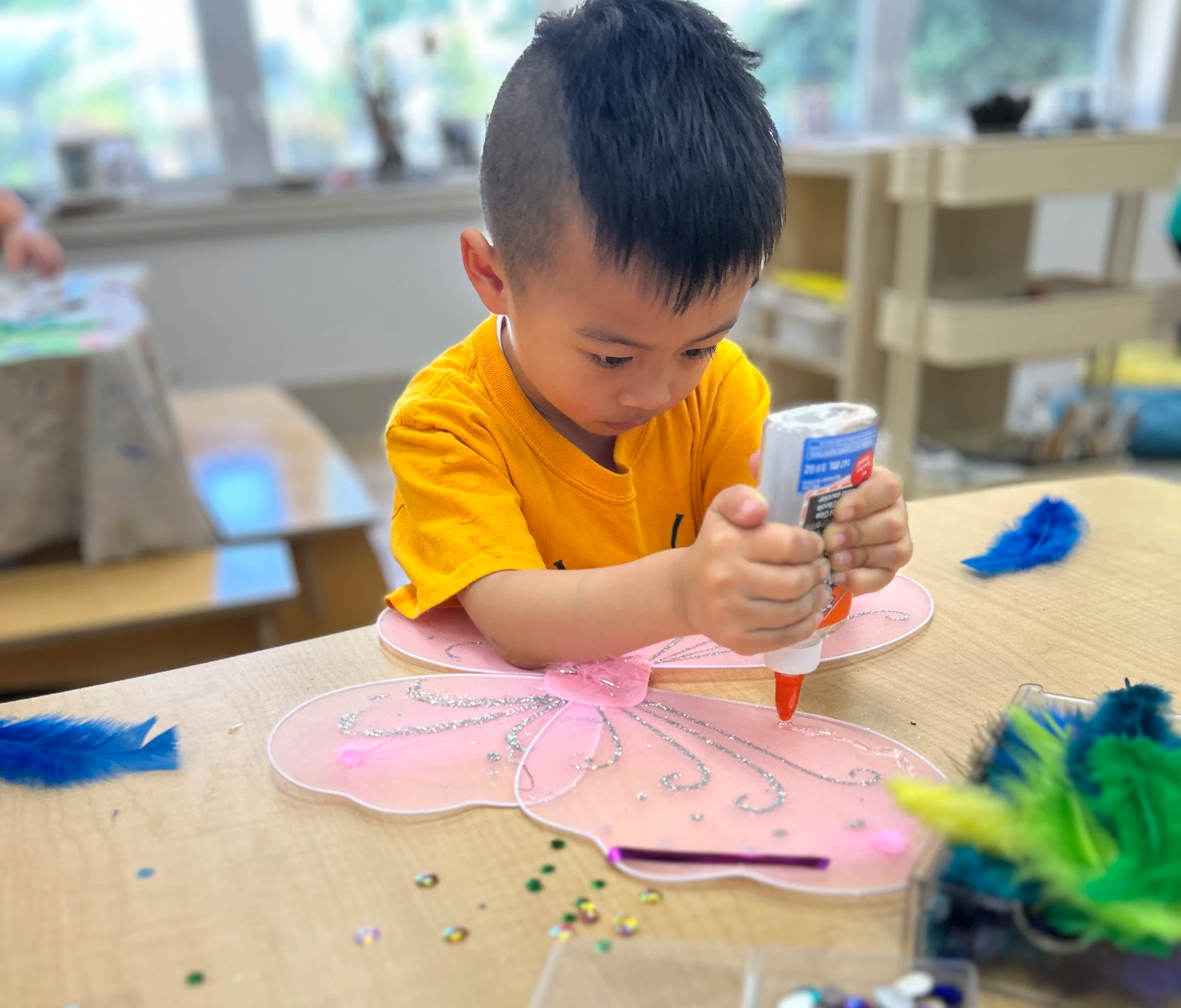
At Richland Academy, every child's language is valued, visible, and celebrated. We honour their ‘hundred ways’ of thinking, exploring, and expressing their understanding of the world by offering diverse and intentional opportunities for expression.
Through visual arts, music, movement, dramatic play, construction, storytelling, mathematics, and scientific investigation, students are encouraged to communicate their ideas in ways that go beyond words alone. Their thinking is often revisited and deepened over time.
-
Our educators act as observers and collaborators, creating spaces and provocations that invite inquiry, reflection and multiple forms of expression. In alignment with the Reggio Emilia Approach®, the environment is considered the "third teacher". It is intentionally curated to reflect and amplify students' voices, theories, and discoveries through the Hundred Languages!
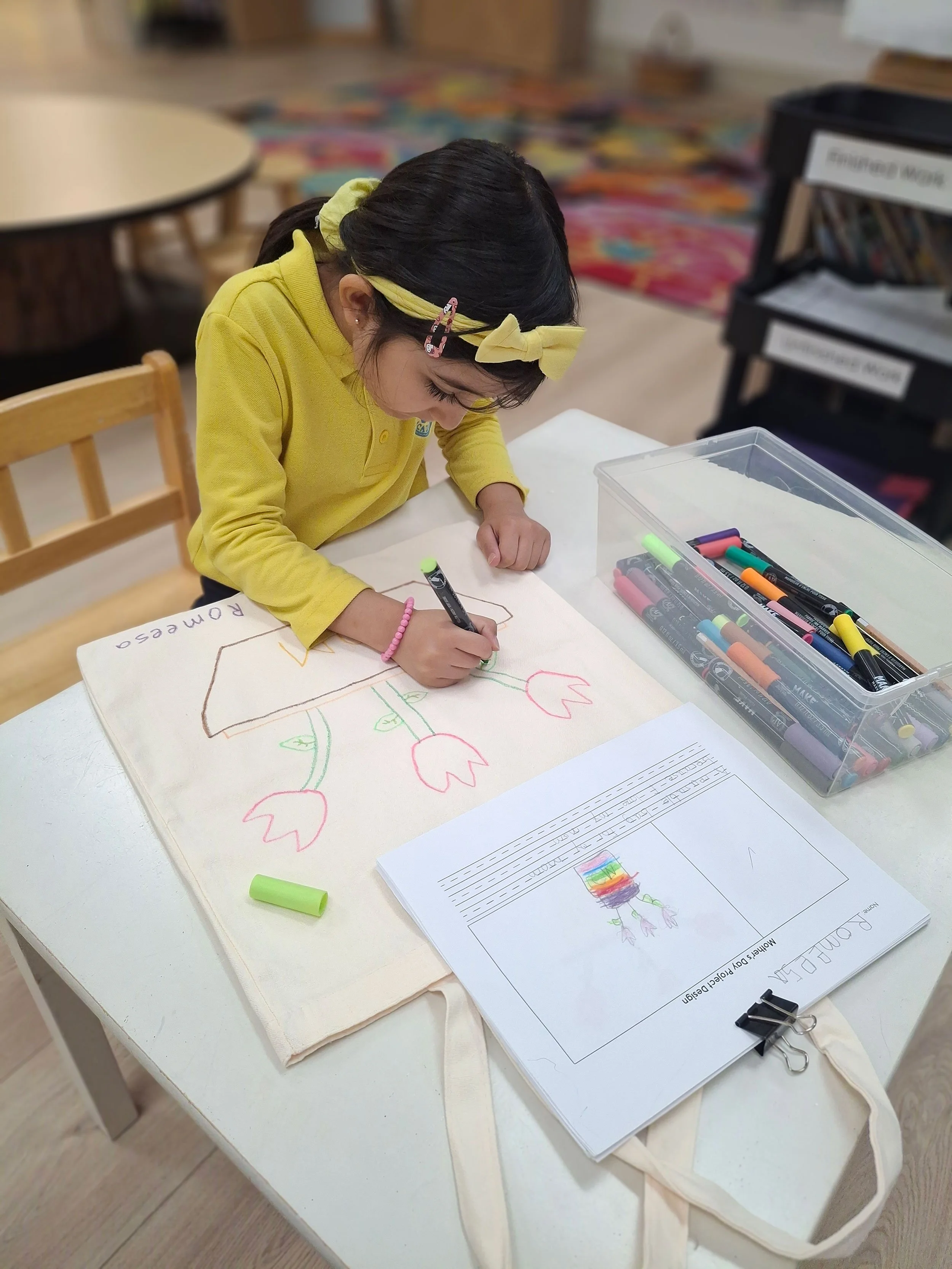
DOCUMENTATION
Documentation is an intentional practice that makes children’s learning visible, meaningful, and celebrated. Rooted in the Reggio Emilia Approach®, it goes beyond showcasing final products to honour the learning process itself. The focus is on the questions children ask, the theories they develop, and the many ways they express their thinking through the Hundred Languages.
At Richland Academy, documentation can take many forms, including classroom displays, school panels, blogs, videos, and student portfolios, each created with a clear purpose and audience in mind.
-
Through photographs, observations, children’s words, sketches, and artifacts, educators construct a rich narrative of the learning journey. These stories are shared within the learning environment to invite reflection, dialogue, and further inquiry among children, families, and educators. Documentation is not just a record of learning. It is an invitation to wonder what comes next.
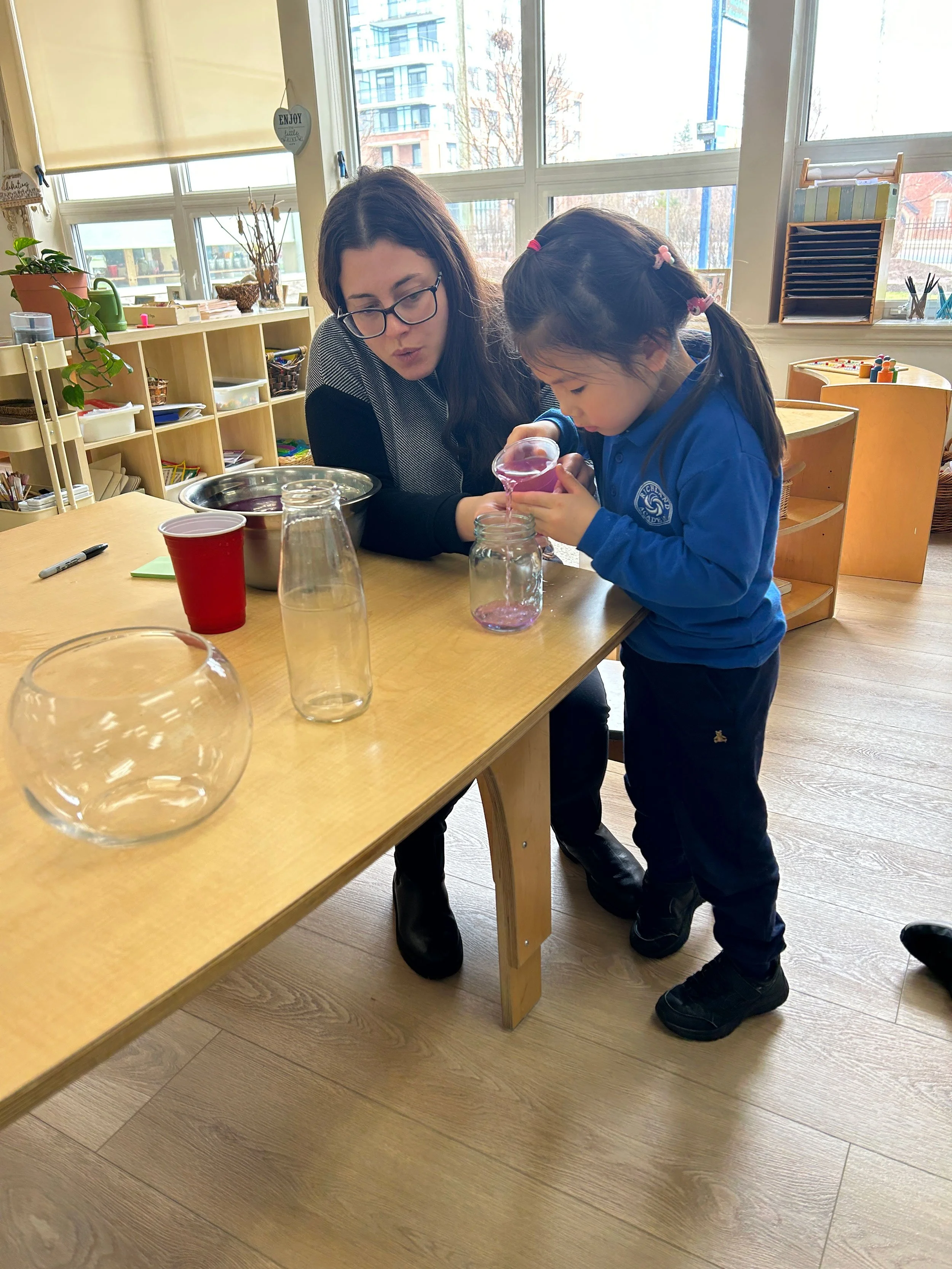
ATELIERS
At Richland Academy, our ateliers are vibrant, dedicated spaces where the Hundred Languages of Children truly come alive. We are proud to offer two fully equipped ateliers, as well as a dedicated atelier space within every classroom, ensuring that opportunities for deep, expressive learning are woven into the fabric of each child's daily experience.
-
Inspired by the Reggio Emilia Approach®, our ateliers are thoughtfully stocked with a wide range of open-ended materials, from paint, clay, and natural elements to light, shadow, and loose parts, that invite children to investigate, create, and communicate their thinking in diverse and meaningful ways.
These spaces are not simply art rooms; they are places of inquiry, wonder, and collaboration where children's ideas take shape in a hundred different forms. The atelier extends into every corner of our school, reinforcing our belief that creativity and expression are not separate from learning but at the very heart of it.
At Richland Academy, every child is given the time, space, and materials to develop and share their own unique language of learning.
GUIDING PRINCIPLES
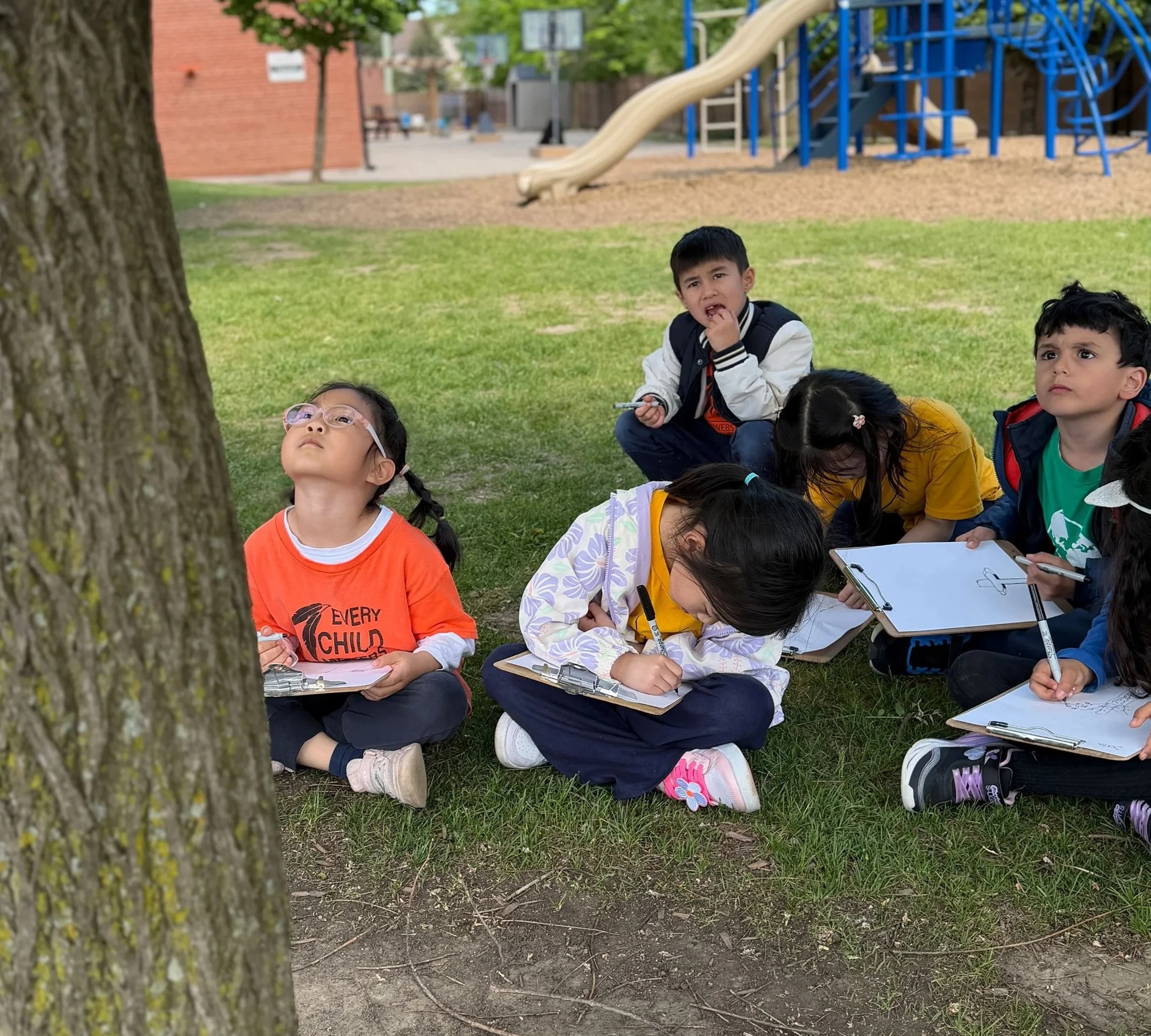
ENVIRONMENT
Our environment is recognized for its potential to inspire children, filled with natural light and beauty. The learning spaces showcase intentionality and purpose and invite children to delve deeper into their interests. They are ever-evolving and promote creativity, collaboration, and communication.
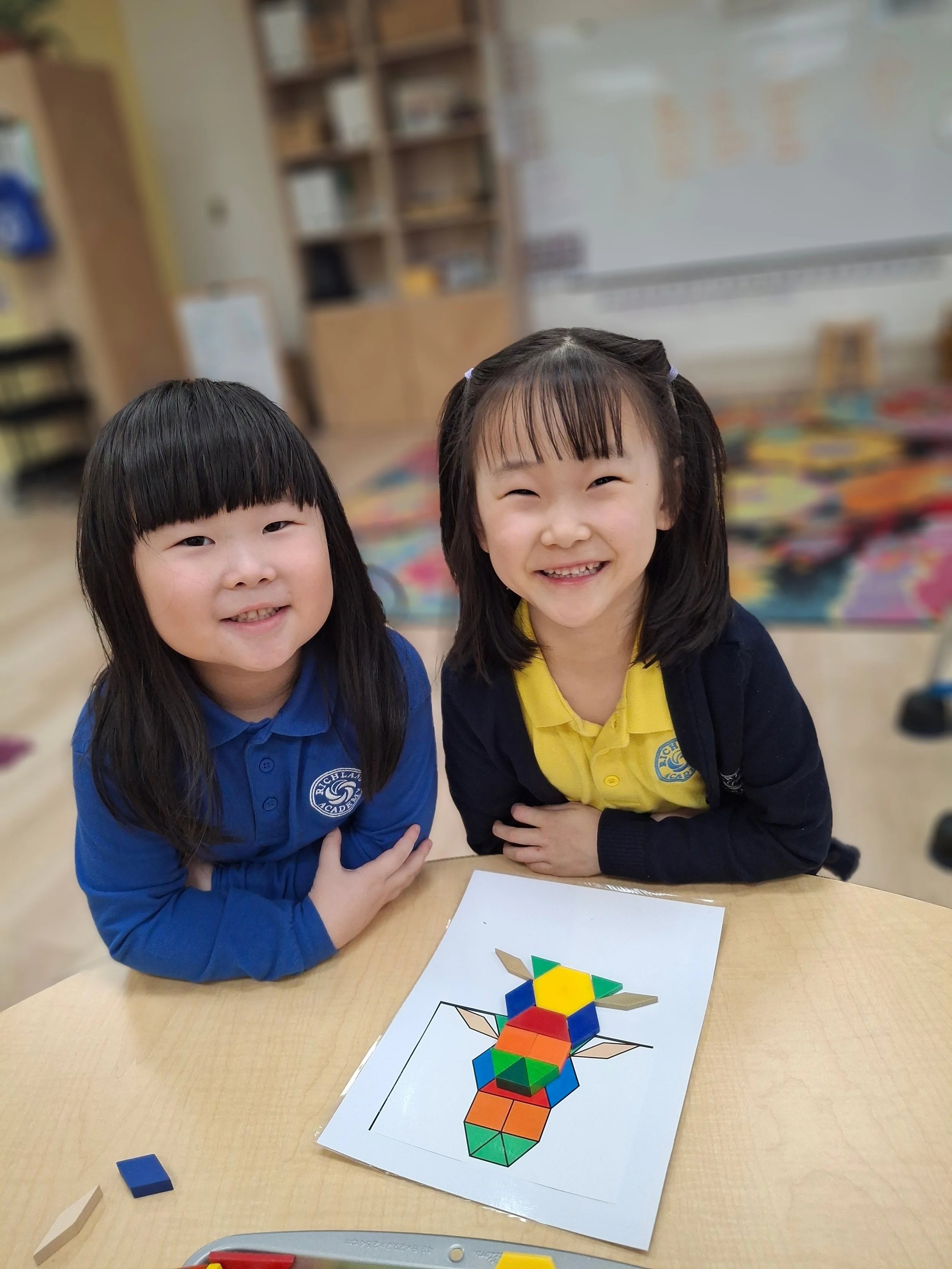
RELATIONSHIPS
Relationships are at the very heart of the Reggio Emilia philosophy. The learning process encourages relationships with and between peers, teachers, materials, environment, family, and community. The quality of relationships at Richland Academy sets the platform for learning that is engaging, relevant, and evolving.
TRANSPARENCY
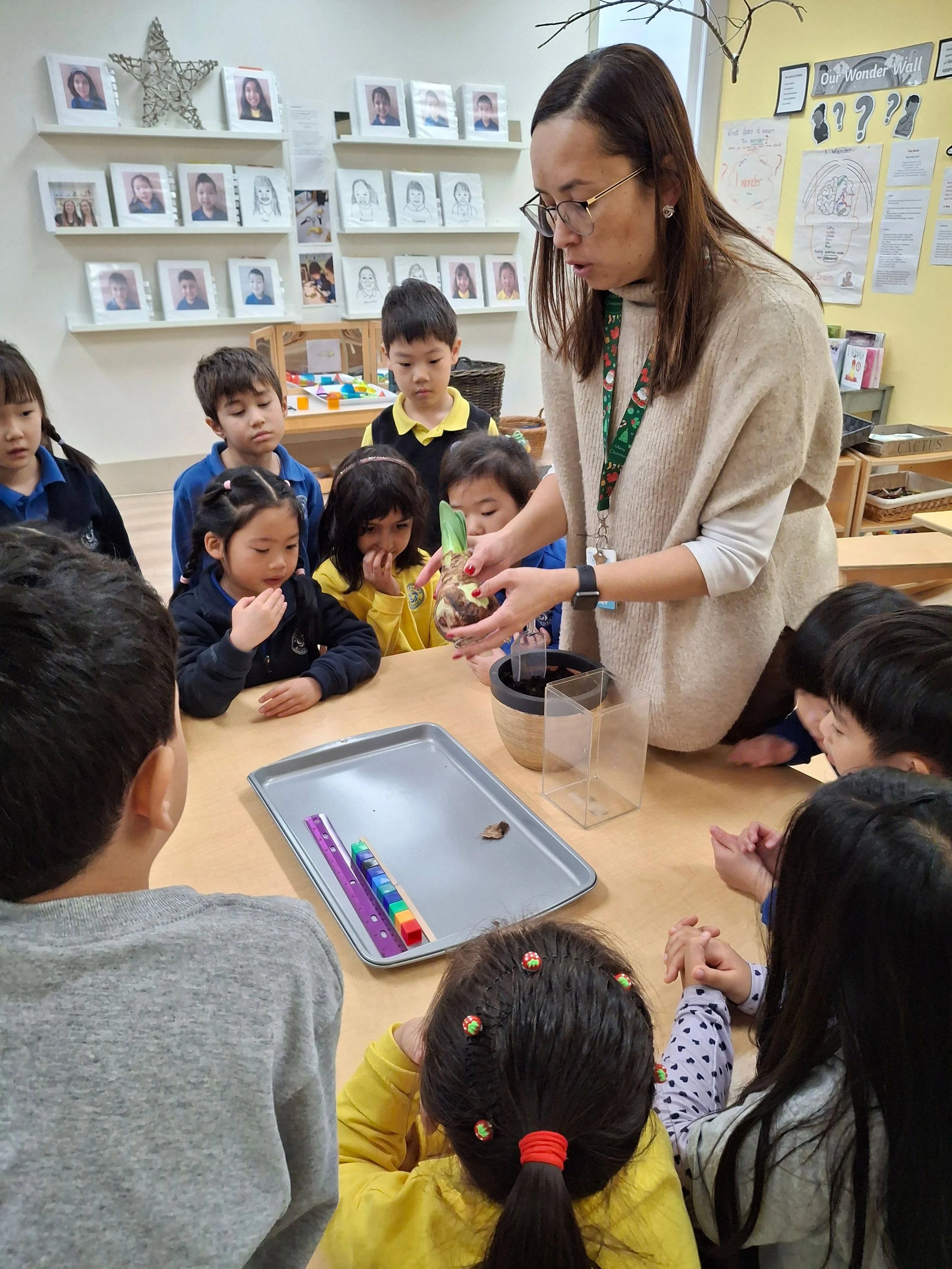
Transparency is a metaphor for the recognition of the learning that is unfolding in the classroom. We value the voice and work of our students and use documentation to showcase the learning journey. The documentation is often organic and alive and allows us to share student learning with a wider audience.
COLLABORATION
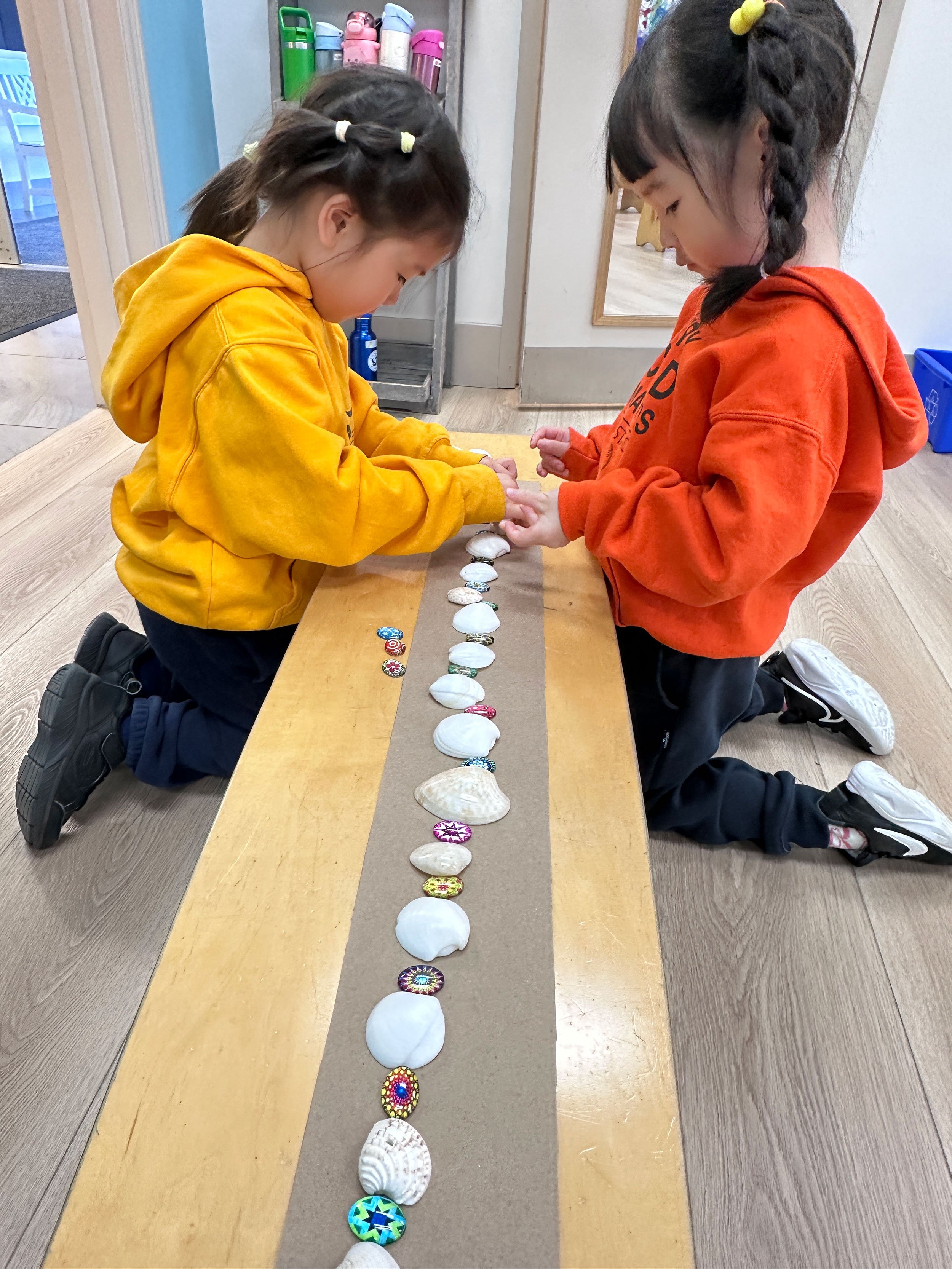
Opportunities to inquire and explore in small groups allow children to develop curiosity, ask questions, test their theories, and learn from each other in a safe environment. Within our collaborative classrooms, students are encouraged to think critically, approach problems with a growth mindset and offer constructive feedback to their peers.